The purpose of this blog is to help you choose the right autopilot for your vessel.
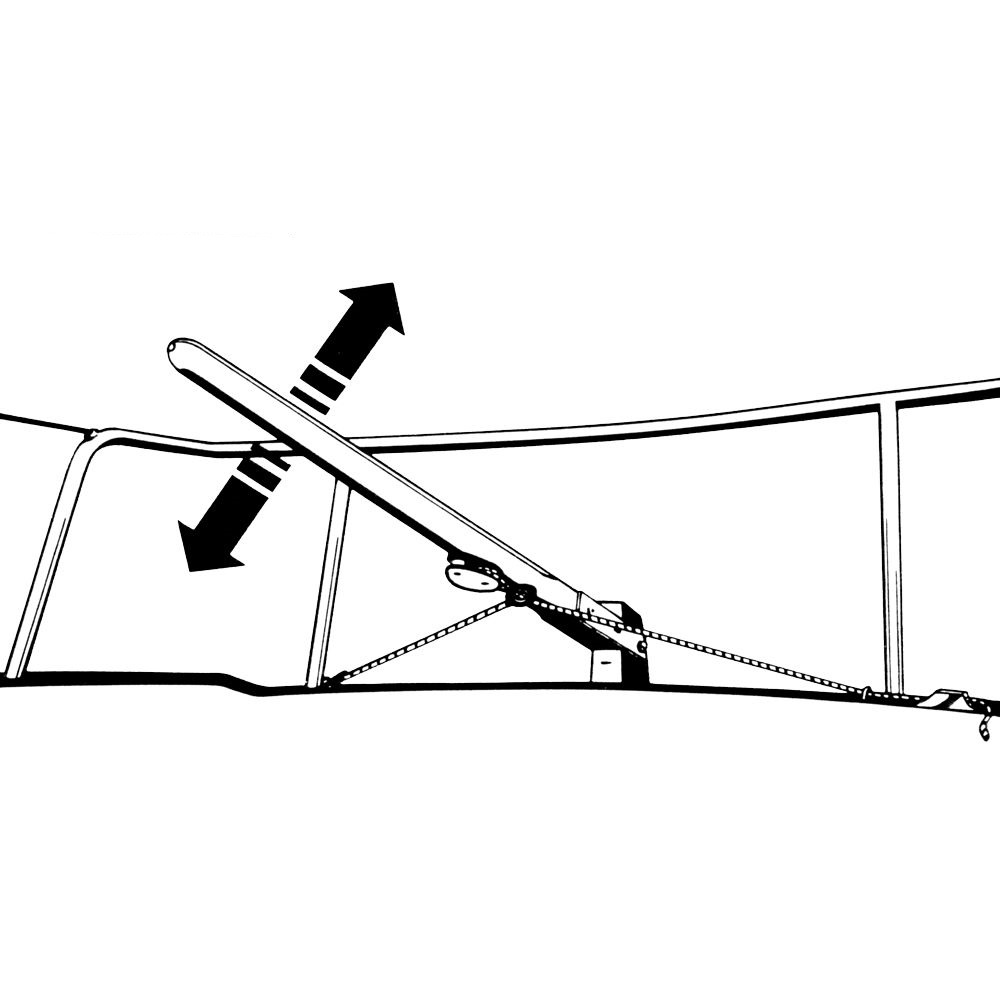
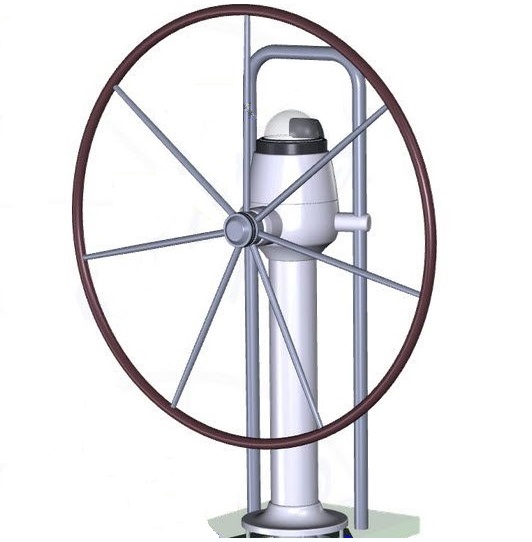
The fundamental aspects for choosing the right autopilot for the various sailing boats are mainly two fundamental factors :
1. tiller or wheel steering model 2. vessel displacement (total weight of the vessel)
Below, for now, we will only analyze the autopilot models for a maximum displacement of 7,500 kg. In this segment of boats, we must recognize that Raymarine certainly has almost 100% of the market, so obviously everything we are going to analyze will refer to products from this brand.
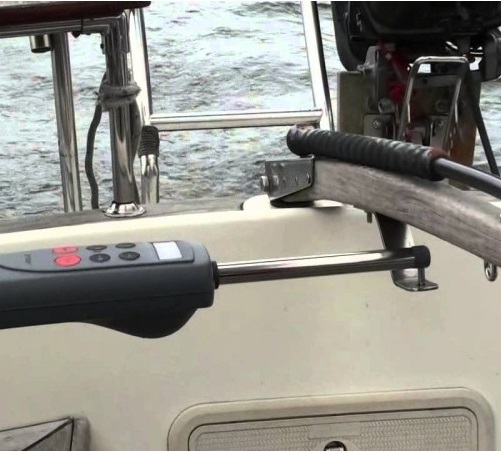
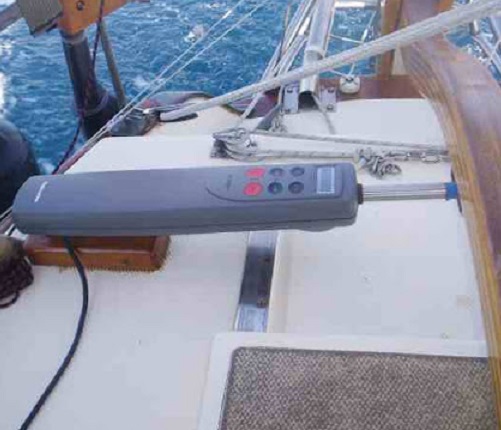
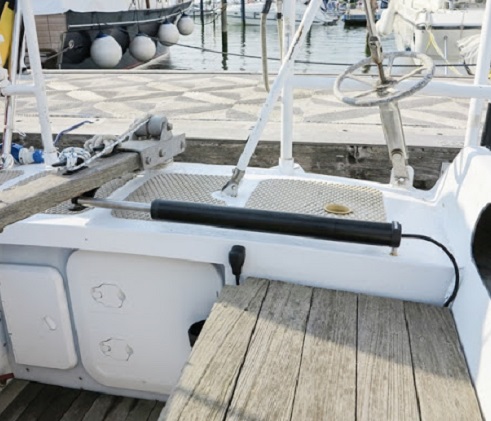
Below is a list of the various products to be installed on boats with tiller steering and maximum permitted displacement:
ST1000 up to 3000kg ST2000 up to 4500kg EV-100 EV-100 Tiller up to 6,000kg
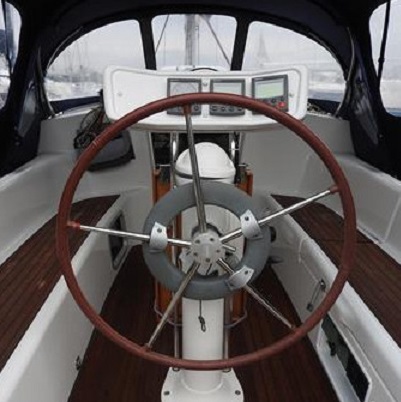
For vessels with wheel steering, Raymarine produces a version suitable for vessels up to a maximum of 7,500kg: EV-100 Wheel.
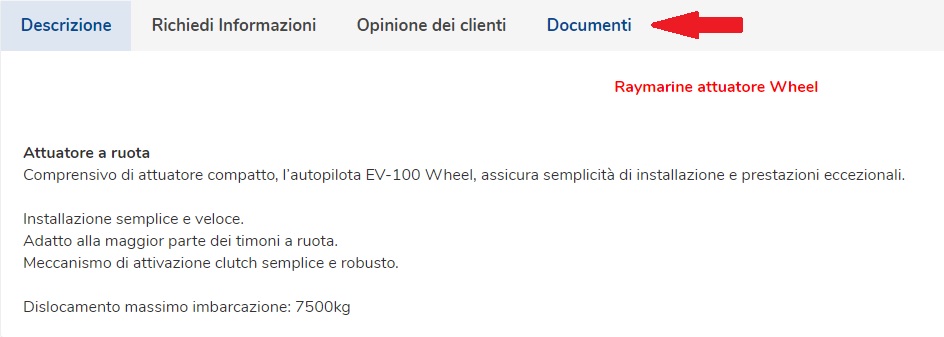
We must also point out that this model sometimes requires maintenance in wheel actuator part, due to excessive work. In fact, we have in our store, several spare parts available for the actuator. Available HERE spare parts with codes, in the Documents section.
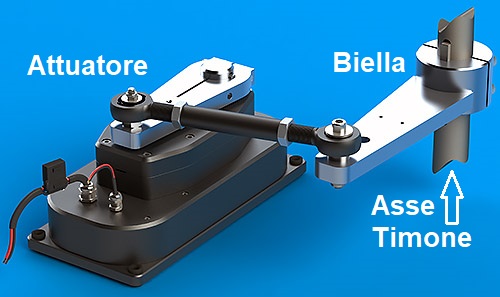
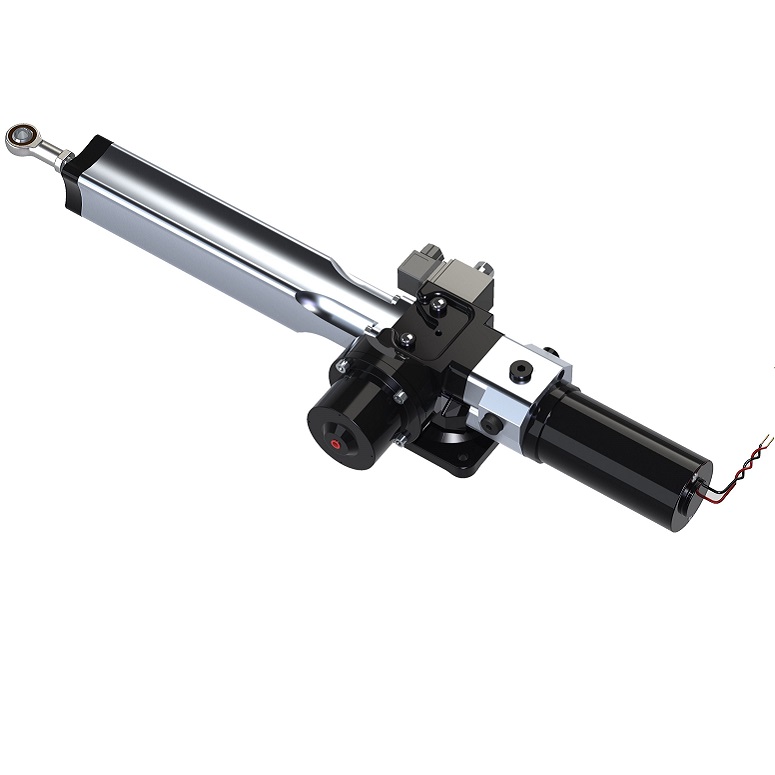
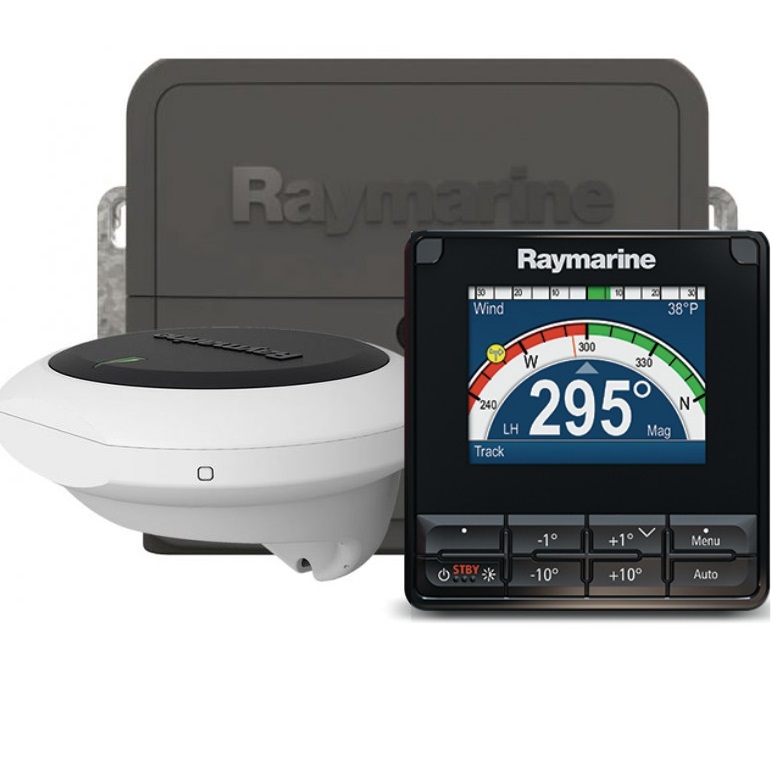
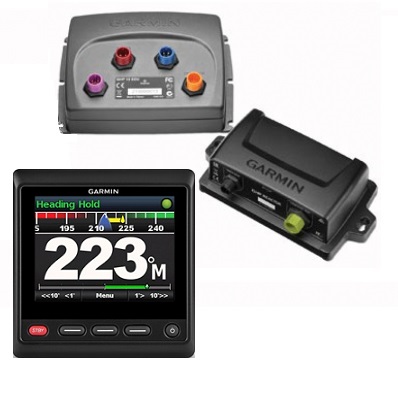
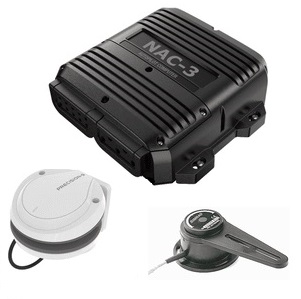
Let's see below the other possibilities of autopilot models for boats over 7,500kg. You will have to choose the autopilot package, with the relative actuator that we will have to couple precisely based on the displacement of the vessel. In most cases, the actuator is installed directly on a hooked connecting rod to the rudder axis. Let's define what we call the actuator, that is, the piston, motor or hydraulic pump, which allows you to "move" the rudder of the boat. While the package is the set of electronic components that manage the actuator, namely: Display, direction sensor, bar sensor (feedback) and processor.
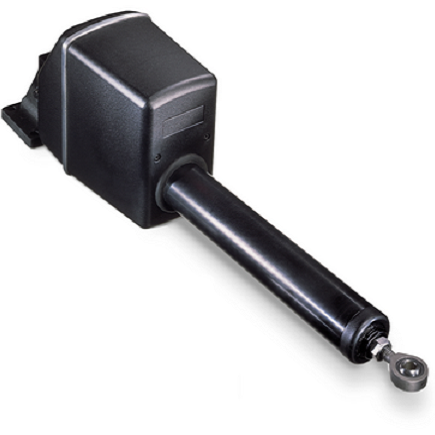
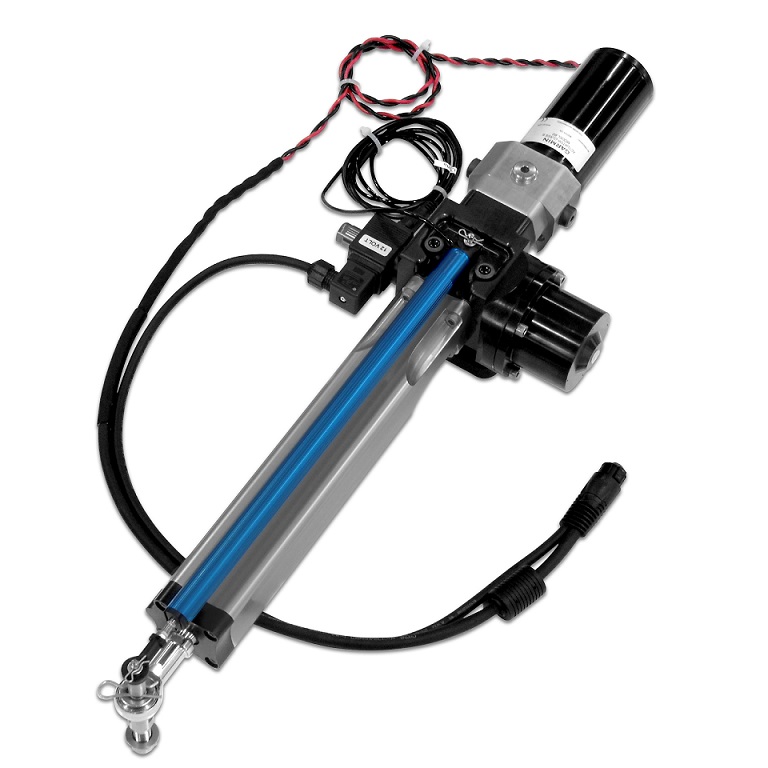
When you ask us which autopilot is best for a sailing boat, we always recommend that you tell us the displacement so we can be more specific about the best choice.
ho acquistato ed installato un pilota EV-100 tiller , la barca è 10 m a vela. Non ho installato il sensore 'rudder angle'. Vorrei sapere se migliorerebbe significativamente le prestazioni dell'autopilota anche nel mio caso (tiller). Inoltre vorrei un risconto sula convenienza di aggiornare il SW del controllore ACU-100, arrivato con v3.05 (attuale 3.13), e dove posso trovare le istruzioni vi ringrazio
PAINESTORE risponde:
Buongiorno, il sensore angolo di barra certamente "aiuta" il pilota ad essere più preciso nelle correzioni perchè ha un'immediato riscontro della barra, questo però ovviamente se vi è la possibilità di installarlo perchè molto raro trovare barche a vela con timone a barra che consentano l'installazione del feedback.
Certamente è consigliabile l'aggiornare del software di tutti i componenti del package EV-100, quindi ACU-100, P70S, EV-1. Si effettua tramite il collegamento in rete STNG di un display Chartplotter, quindi ad esempio un Axiom, scaricando gli aggiornamenti sua una MicroSD dal sito www.raymarine.it. Attenzione però perchè l'aggiornamento dell'EV-1 è bene farlo da solo, quindi tenedo collegato solo l'EV-1 sulla rete evitando di "lanciare" l'aggiornamento software direttamente dal display Chartplotter di tutti i componenti. Saluti. Luigi Bianchi
PAINESTORE risponde:
Buongiorno, il sensore angolo di barra certamente "aiuta" il pilota ad essere più preciso nelle correzioni perchè ha un'immediato riscontro della barra, questo però ovviamente se vi è la possibilità di installarlo perchè molto raro trovare barche a vela con timone a barra che consentano l'installazione del feedback.
Certamente è consigliabile l'aggiornare del software di tutti i componenti del package EV-100, quindi ACU-100, P70S, EV-1. Si effettua tramite il collegamento in rete STNG di un display Chartplotter, quindi ad esempio un Axiom, scaricando gli aggiornamenti sua una MicroSD dal sito www.raymarine.it. Attenzione però perchè l'aggiornamento dell'EV-1 è bene farlo da solo, quindi tenedo collegato solo l'EV-1 sulla rete evitando di "lanciare" l'aggiornamento software direttamente dal display Chartplotter di tutti i componenti. Saluti. Luigi Bianchi